
The Project Dog: Milo’s Story
Welcome! We are really excited that you have joined us for The Project Dog series. Before you share Milo’s story, tell us a little bit about yourself and how your journey with Milo started.
My name is Kelly and I work from home for an insurance company as a care manager, I used to be a child/adolescent therapist. I have two dogs currently, Milo and Cloud. I enjoy doing Nosework with them both, as well as taking them to visit my family. I also used to foster dogs, which is how Milo came into my life. Milo was brought up from Georgia by Buddy’s Second Chance in August on 2018, when he was estimated to be 1.5-2 years old. Milo is now approximately 8-9 years old. I would describe him as being “feral” when I first got him, as he did not seem to know how to be a dog. He spent all his time hiding, and it took a long time to get him to take treats from my hands, I would have to crawl into his crate to leash him and take him outside at first. Luckily my dog Leann (who passed away in August 2023) was his saving grace, serving as a kind of role model and friend to him, helping him learn to “dog.” I officially adopted Milo on 1/1/2019, after 140 days of being his foster mom. Milo had a few failed meet and greets. I would not allow him to be adopted by any homes that did not have another dog for him to bond with, as he was still so skittish. He also needed to be on Prozac, which some adopters did not like. I was eventually asked if I would keep Milo, as the rescue felt I made amazing progress with him, and I was basically his ideal home already (quiet, single, no children, other polite dog in home).
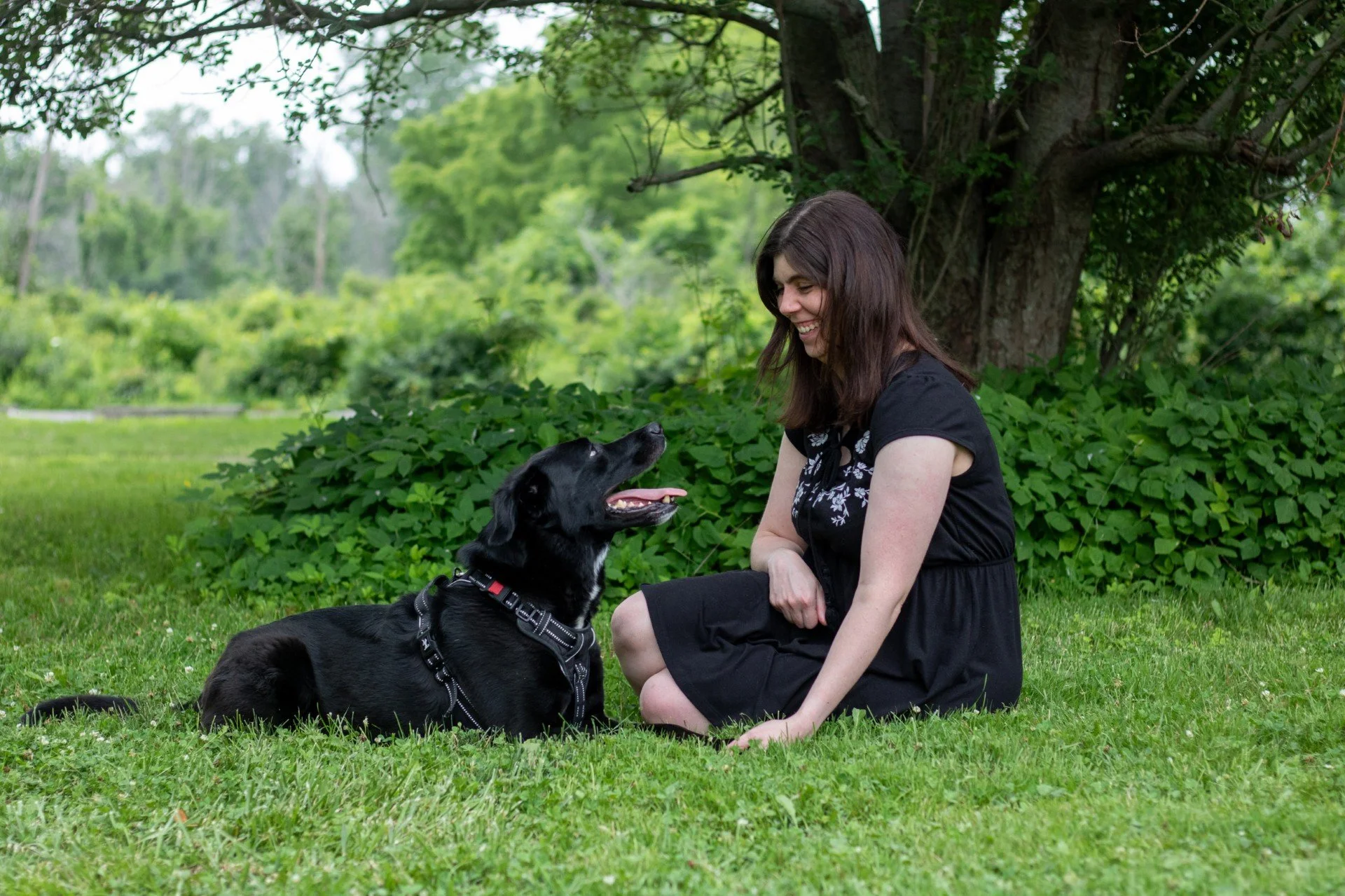
Photo by Murdock & Roo
It sounds like you were the perfect fit for Milo. When did you first realize that Milo was a Project Dog?
While I realized from the start that this would be a “project dog” the type of project and the trajectory wasn’t quite what I thought. While I originally thought he was feral, I later found out he was severely abused when a radiograph that the vet took showed multiple BB gun pellets embedded into his skull. So that explained a lot. Milo was anxious but gained confidence and continued to do so. He was a pretty quiet guy and he seemed to love all other dogs he met. At some point, once he was more comfortable being an official member of the family, he eventually started to exhibit reactive tendencies, like increased barking, lunging on leash at humans, lunging at other dogs, not liking new dogs so much anymore. So basically…this became a new kind of project dog I had never really dealt with before, as my other dog Leann did not display any tendencies like this at all.
Being a reactive dog parent can definitely be challenging, what has been the most difficult part for you?
In Milo’s case, it was just difficult to see the change develop in him. He was no longer easy to walk. He was now barking and we now lived in an apartment complex instead of a house. I worried about my neighbors complaining if they got barked or lunged at. I had already done obedience with him, but felt like I needed to get back into it and also focus on some strategies for the reactivity.
Working through our dog’s challenges can be easier with support, what do you feel has helped you the most?
Honestly, Reactive Rehab 1 and 2 were life changing for Milo. I feel like we have a pretty good handle on his reactivity now, and it only really rears its head when unexpected people/dogs cross our path too closely, or there are people doing work in the house (Milo hates to see strangers in the house!).
It sounds like Milo has made some really great progress. Is there an achievement you are most proud of?
Milo has been doing Nosework for many years, but I finally felt he was stable enough to start trialing so he did his ORT in March and his NW1 in June. He also went to NW2 trials, but unfortunately his anxiety seemed to have ramped back up when he is in new places, which led to him running out of time when doing some of the searches. I never really imagined that Milo would be able to "behave" in the trial environment, but he is able to be around other dogs and humans and wait in the car without being overly reactive after years of work, which is the real achievement in my eyes.
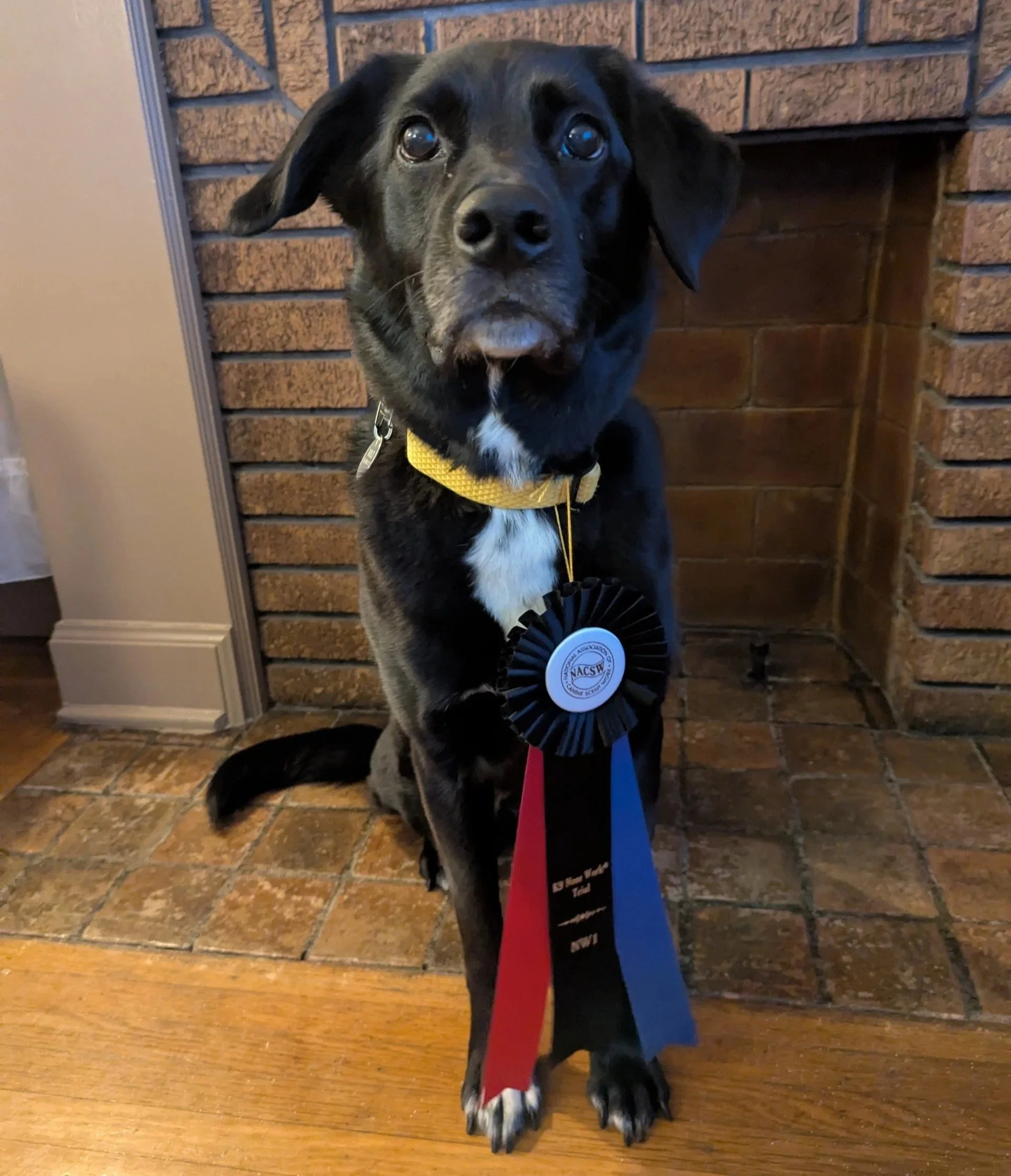
Milo with his NW1 ribbon
Congratulations, that is an incredible achievement. It sounds like you and Milo have both learned a lot and are a great team! Is there anything you do now because of everything you’ve learned?
Always bring treats on walks! It helps so much with those unexpected encounters while we are out walking, Milo is usually able to be re-directed if he knows he's getting a treat for it!
Taking a moment to reflect on your journey, how would you say your perspective about reactive dogs, or dogs in general, has changed?
I probably didn't bother to think about why dogs were reactive, or how they came to be that way prior to experiencing it with Milo. I now see how easily it can develop over time. I also now know that reactivity does not equate to aggression and am not scared if I walk by another reactive dog.
Thank you so much for sharing Milo’s story with us Kelly, he sounds like an amazing dog! Are there any other comments you would like to share with us?
Reactive dogs can make major recovery if you take the time to work with and understand them!
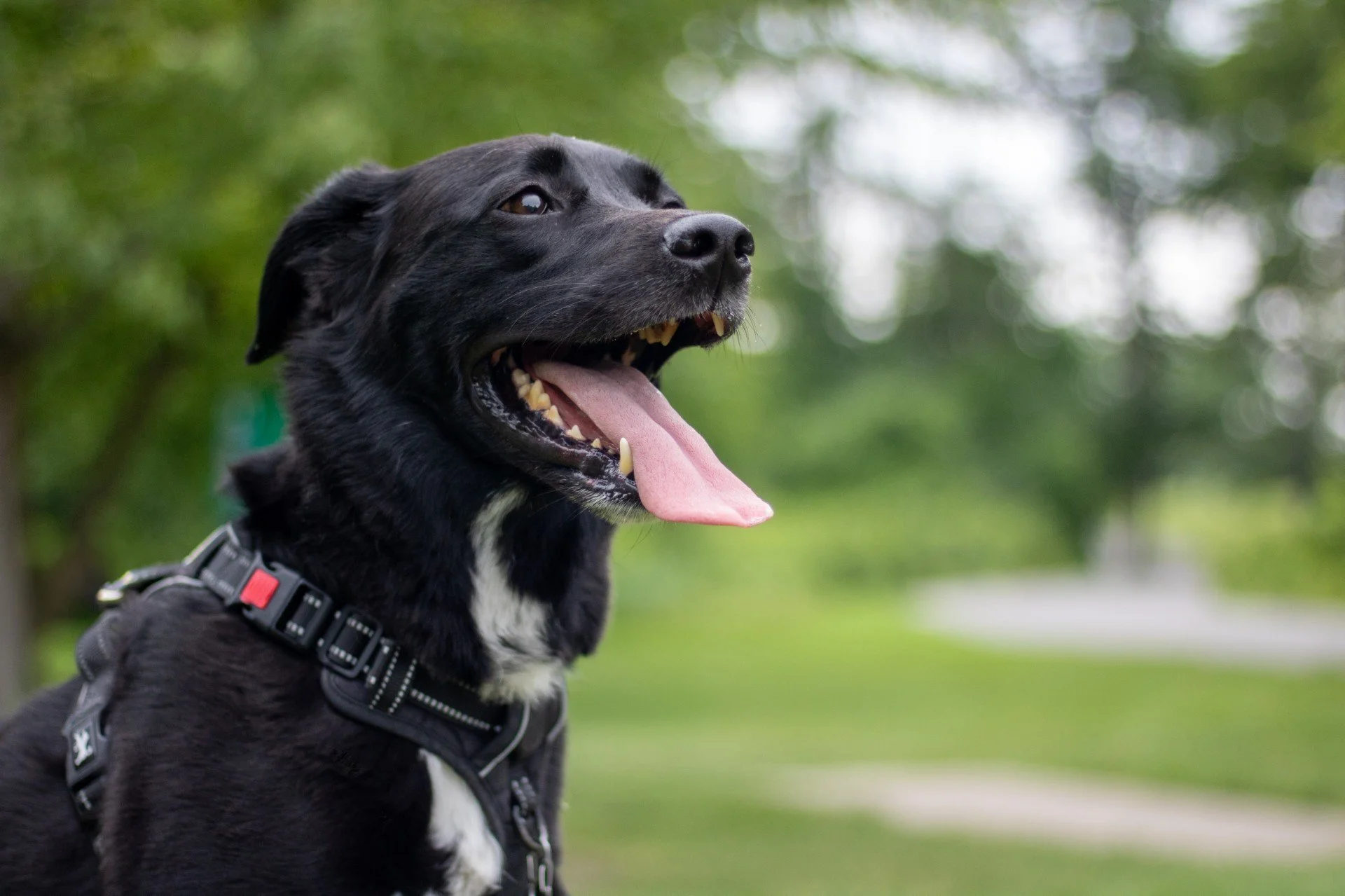
Photo by Murdock and Roo
Thank you so much for sharing Milo’s story with us Kelly. It has been a pleasure sharing in your journey and seeing you continue to excel beyond Reactive Rehab classes!